Introduction: The false choice that is costing publishers revenue
Ask most newsletter publishers whether they prefer direct sponsorships or programmatic advertising and you will get a strong opinion in one direction. Direct sponsorship advocates will tell you that programmatic undervalues premium newsletter inventory, floods the inbox with irrelevant ads, and commoditizes audience relationships that deserve a more curated commercial treatment. Programmatic advocates will tell you that direct sponsorships require unsustainable sales effort, leave revenue dark on every unsold issue, and cap earning potential at whatever volume of deals the publisher can personally close.

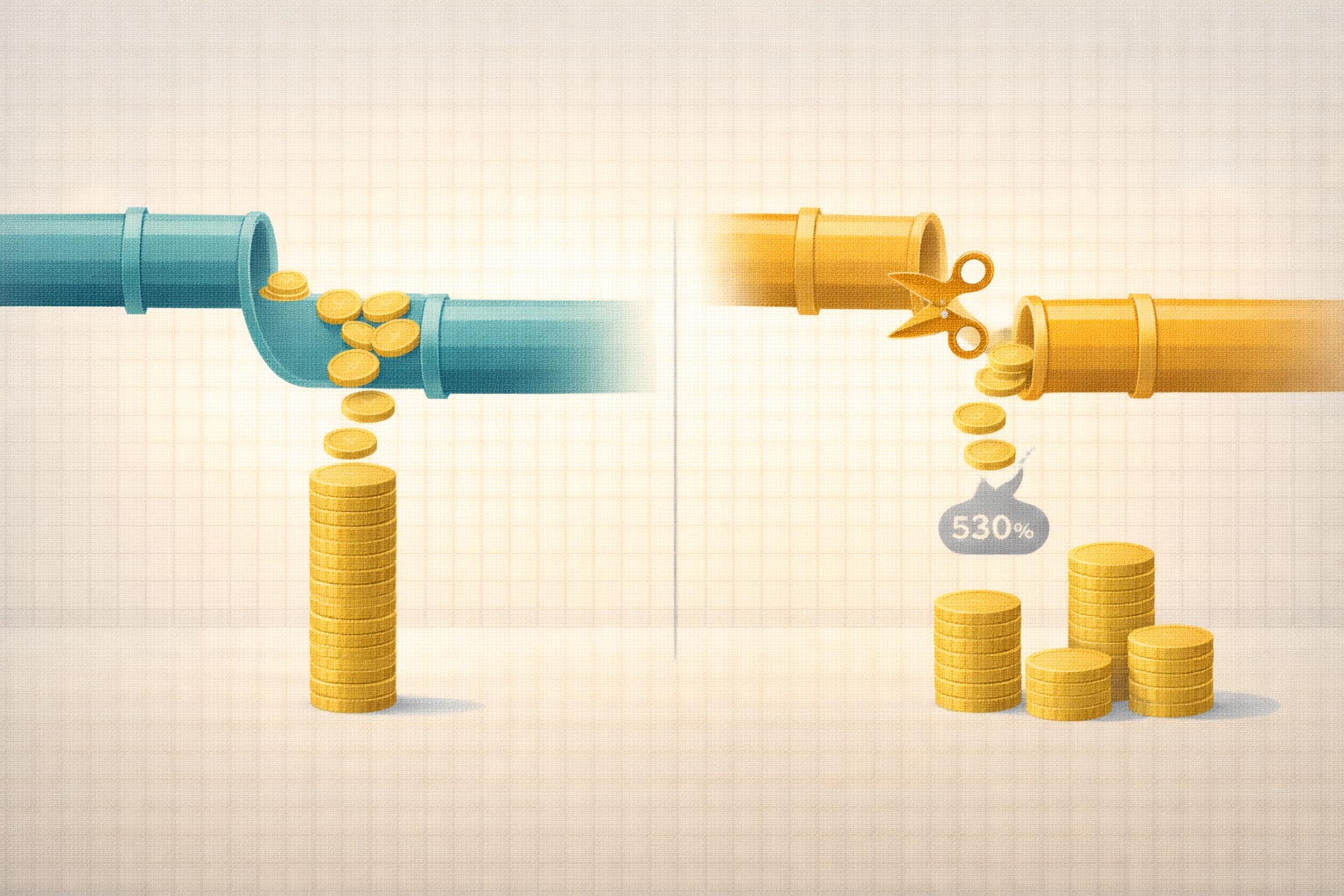
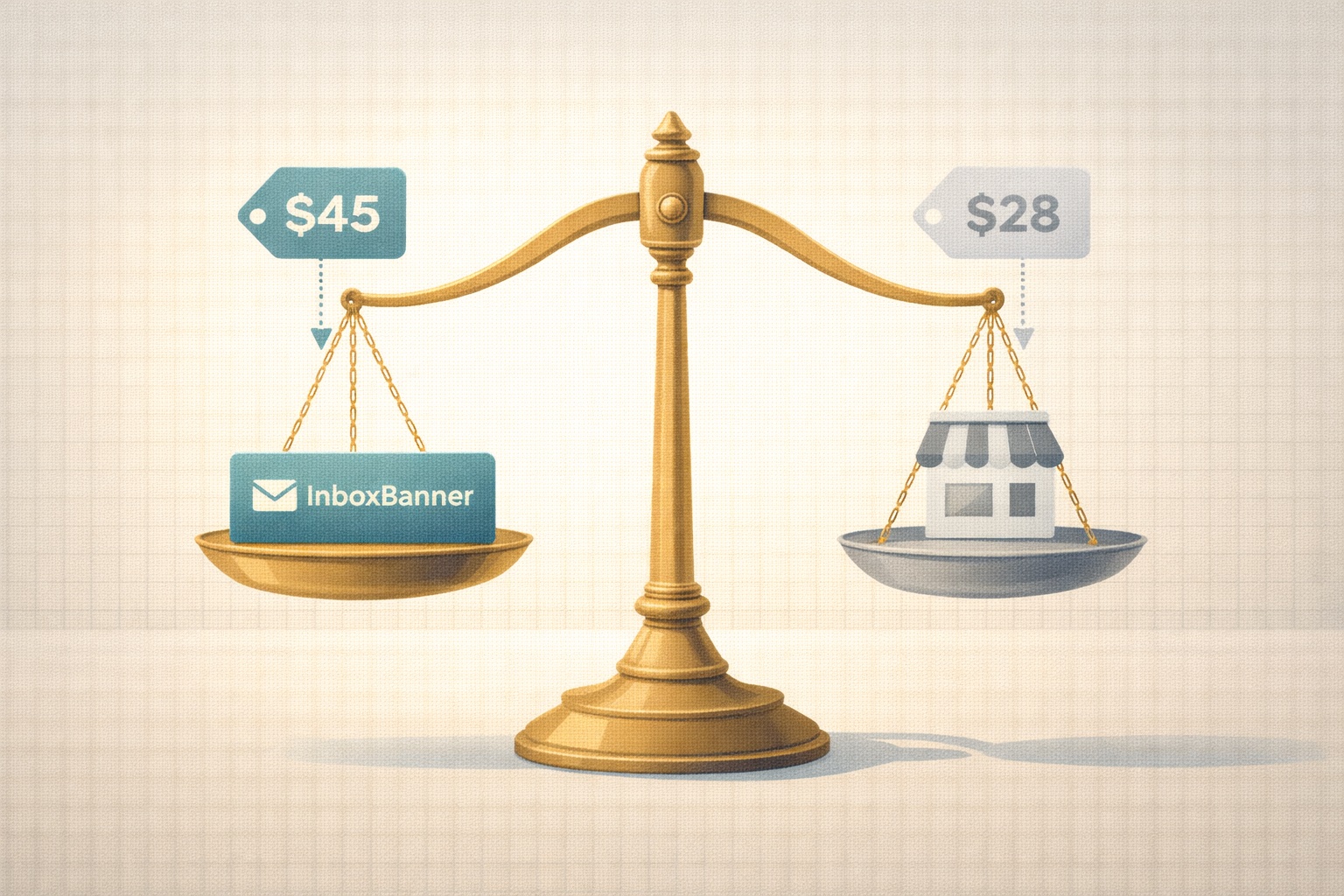
Both positions contain real insight. Both are also incomplete. The publishers who extract the most revenue from their newsletters are not the ones who have chosen one model over the other — they are the ones who have built a hybrid structure that uses direct sponsorships and programmatic advertising in their respective zones of advantage. Direct sponsorships for the premium placements that justify direct outreach, relationship management, and pricing power. Programmatic for everything else — the inventory that would otherwise go dark, the issues that do not have a direct sponsor, the secondary placements that are not worth selling individually but generate meaningful aggregate revenue when monetized automatically.
This guide examines both models in precise commercial terms: how each generates revenue, what each costs to operate, where each performs best, where each has structural weaknesses, and how a hybrid structure captures the advantages of both without the limitations of either. Real earnings scenarios are included throughout. The goal is not to declare a winner in a debate that has a wrong premise — it is to give publishers the framework to make intelligent decisions about which model belongs in which part of their inventory.
How direct newsletter sponsorships work: The commercial mechanics
A direct newsletter sponsorship is a bilateral commercial agreement between a publisher and an advertiser. The publisher offers a specific placement in a specific issue or series of issues at a negotiated rate. The advertiser accepts the terms, pays according to the agreed payment schedule, submits creative by the publisher's deadline, and the publisher delivers the placement as specified. No intermediary platform takes a commission on the transaction. The rate the advertiser pays is the rate the publisher receives, minus payment processing costs.
The core commercial advantage of the direct model is rate maximization. When a publisher sells directly, they capture the full value the advertiser is willing to pay — not the portion of that value that remains after a marketplace or network takes its share. A publisher who charges $500 for a top placement receives $500. On a platform that takes a 25 to 50 percent commission, the same advertiser's willingness to pay $500 would produce $250 to $375 in publisher earnings. Over twelve months of consistent direct sponsorship volume, this rate differential compounds into thousands of dollars in additional revenue.
The direct model also allows publishers to price based on the specific value they are delivering rather than on platform benchmarks that may not reflect their audience's actual premium. A finance newsletter with 6,000 subscribers and a 48 percent open rate serving an audience of high-net-worth individuals can charge CPMs of $80 to $120 directly — CPMs that a programmatic platform may not reach for the same inventory because programmatic pricing reflects bidding across a broad advertiser pool that may not include the specific high-intent financial product advertisers who would pay a premium for this audience directly. The publisher who sells direct to those specific advertisers accesses the full premium their audience commands. The publisher who relies on programmatic alone may never reach it.
The direct model also creates relationship capital that compounds over time. An advertiser who has a good experience with a direct sponsorship — strong performance, professional execution, transparent reporting — becomes a recurring buyer whose acquisition cost drops to near zero on subsequent bookings. A direct advertiser relationship that generates $500 per month for 24 months is worth $12,000 from a single commercial relationship that was built from one outreach email and one successful campaign. No programmatic platform generates this kind of compounding relationship value.
The real cost of direct sponsorships: What the revenue numbers do not show
Direct sponsorships command the highest revenue per impression of any newsletter monetization model. They also carry costs that do not appear in the revenue figures and that most publishers underestimate when comparing their direct earnings to programmatic alternatives. Understanding the full cost of the direct model is essential to making a rational decision about how much of the inventory to allocate to it and at what stage of the newsletter's development.
The largest cost is sales time. Finding the right advertisers, writing outreach emails, following up, having conversations, handling objections, negotiating terms, sending proposals, and closing deals takes time that publishers with growing newsletters do not have in unlimited supply. A publisher who spends ten hours per week on sponsorship sales is a publisher spending ten hours per week not writing, not growing their audience, not building the product that makes their audience valuable to advertisers in the first place. The opportunity cost of sales time is real even when it is not reflected in any revenue report.
The second cost is fill rate risk. A publisher who relies exclusively on direct sponsorships for advertising revenue earns nothing from advertising on every issue that goes unsold. If a publisher sends 52 issues per year and achieves a 65 percent direct sell-through rate — which is strong for an independent newsletter publisher — 18 issues generate zero advertising revenue. Those 18 issues still require the same writing effort, production effort, and audience attention as the 34 issues with a direct sponsor. The economics of the direct-only model treat unsold inventory as worthless, which it demonstrably is not when programmatic is available as an alternative floor.
The third cost is volatility. Direct sponsorship revenue is inherently lumpy — a strong quarter of outreach and closes produces high revenue, while a quarter disrupted by illness, a difficult personal period, or simply a stretch of unsuccessful outreach produces significantly less. This volatility makes financial planning difficult, reduces the publisher's ability to make investment decisions about audience growth and editorial quality, and creates anxiety that compounds the creative and operational demands of running a newsletter at a high level. Programmatic revenue, while lower per impression, is predictable — it arrives on every issue regardless of whether the publisher ran outreach that month.
The fourth cost is administrative overhead. Creative coordination, invoicing, payment follow-up, performance reporting, template updates, and campaign scheduling all require time per sponsor per issue. A publisher managing four concurrent sponsors on different rotation schedules may spend 15 to 20 hours per month on these tasks alone — time that could be redirected to higher-leverage activities if the administrative layer were automated.
How programmatic newsletter advertising works: The commercial mechanics
Programmatic newsletter advertising automates the buying and selling of newsletter ad inventory through real-time auctions. When a subscriber opens a newsletter that contains a programmatic ad tag, an auction runs in milliseconds among advertisers whose targeting parameters match the subscriber, the newsletter context, and the placement position. The winning advertiser's ad renders in the subscriber's email client. The entire process — from open event to rendered ad — takes place before the subscriber has finished reading the first sentence of the newsletter.
The publisher's role in this process is configuration rather than active selling. The publisher integrates the ad tag into their newsletter template once, sets price floors that establish the minimum CPM they will accept for each placement position, configures category blocklists and advertiser controls, and then allows the automated system to fill inventory on every issue without further intervention. Revenue accrues on every open that produces an auction — meaning every issue generates programmatic revenue regardless of whether the publisher ran any outreach, closed any deals, or even thought about advertising that week.
The core commercial advantage of programmatic is the elimination of fill rate risk and sales time. A publisher using programmatic does not have empty issues. They do not spend hours on outreach to fill a single slot. They do not experience the anxiety of a pipeline that has gone quiet. The inventory generates revenue continuously and automatically from the moment the integration is in place. For publishers who are primarily focused on editorial quality and audience growth — and who view advertising as a revenue layer rather than a primary business activity — this automation is a structurally significant advantage.
Programmatic also enables revenue from audience segments that direct outreach does not efficiently reach. A publisher with 12,000 subscribers who closes direct sponsors for their premium top placement may never think to sell the footer programmatically — and may therefore generate zero revenue from a placement that, at a modest programmatic CPM, could contribute $1,500 to $3,000 per year in additional income from inventory that requires no additional sales effort. Programmatic makes secondary inventory economically viable to monetize in a way that direct sales cannot, because the cost of selling a secondary placement directly is often not justified by the revenue it generates at typical secondary CPM rates.
The real cost of programmatic advertising: What the fill rate numbers do not show
Programmatic advertising's fill rate advantages and operational efficiency come with structural limitations that make it insufficient as the sole monetization model for a newsletter with premium audience characteristics. Understanding these limitations is as important as understanding the advantages, because the publishers who rely on programmatic alone consistently leave significant revenue on the table.
The largest limitation is CPM ceiling. Programmatic CPMs for newsletter inventory — while improving as the channel matures — typically range from $15 to $50 for engaged niche audiences, with exceptional placements occasionally reaching $60 to $80 in high-value categories. Direct sponsorship CPMs for the same inventory in the same categories regularly reach $60 to $150 — and in premium niches like finance, B2B SaaS, and enterprise software, can exceed $200. The gap between programmatic and direct CPMs is not a minor pricing difference. It is a reflection of the fundamental difference between an auction that determines what the market will pay and a negotiation that determines what the specific right advertiser is willing to pay. The specific right advertiser is almost always willing to pay more than the average of all advertisers bidding in a real-time auction.
The second limitation is advertiser category breadth. Programmatic demand is broad but not infinitely deep in every category. Publishers in specialized professional niches may find that the programmatic ecosystem does not contain many advertisers with targeting parameters that precisely match their audience — which suppresses auction competition and therefore CPMs. A newsletter serving a niche of independent insurance adjusters, for example, is unlikely to see strong programmatic bidding pressure from the handful of advertisers who would pay a premium to reach that audience directly, because those advertisers have not built programmatic campaigns targeting that specific professional category. The publisher who identifies and reaches those advertisers directly can charge rates that no programmatic auction will match.
The third limitation is relationship absence. Programmatic advertising does not build the advertiser relationships that generate the compounding commercial value of a direct sponsorship program. A publisher who generates $2,000 per month in programmatic revenue has no advertiser to call when CPMs drop, no relationship to deepen into a long-term partnership, and no endorsement to give a product their readers trust because the publisher personally vouches for it. The absence of relationships limits the commercial ceiling of a programmatic-only approach in ways that are not visible in any monthly revenue report but are decisive over any multi-year horizon.
The fourth limitation is editorial voice. Direct sponsorships, particularly native placements where the publisher writes the ad copy in their own voice, generate higher engagement rates than standard programmatic ad units because readers receive the commercial message as an endorsement from a trusted source rather than as an externally placed advertisement. This engagement advantage translates directly into advertiser performance and therefore into the CPM premium that direct placements command. Programmatic placements, however well-targeted, cannot replicate the authenticity signal of a publisher endorsement — and in newsletters where that editorial voice is central to reader trust, the engagement gap between programmatic and direct placements is significant.
CPM comparison by placement type and newsletter category
The earnings difference between direct and programmatic is not uniform across all newsletters or all placement types. Understanding where the gap is largest — and where the two models converge — is essential to making intelligent decisions about which inventory to prioritize for direct sales and which to assign to programmatic fill.
In the finance and investing category, the direct-to-programmatic CPM gap is among the widest of any newsletter niche. For a full breakdown of CPM ranges by vertical, see our guide to niche newsletter monetization. Direct sponsorships for finance newsletters with engaged, high-net-worth audiences regularly command CPMs of $80 to $150 for premium top placements. Programmatic CPMs for the same placements typically fall in the $25 to $50 range — a gap of 60 to 75 percent between what the right direct advertiser will pay and what the programmatic market clears at. Publishers in this category have the strongest economic case for investing heavily in direct sponsor outreach because the rate differential is large enough to justify significant sales time. At the same time, secondary placements that the direct sales effort does not efficiently reach still benefit from programmatic fill at CPMs that represent meaningful incremental revenue on inventory that would otherwise earn nothing.
In the B2B SaaS and marketing category, the direct-to-programmatic gap is meaningful but smaller. Direct CPMs for top placements range from $50 to $120 depending on audience specificity and engagement rate. Programmatic CPMs for the same category typically reach $20 to $45 — reflecting stronger programmatic demand from the many B2B SaaS companies that have built programmatic campaigns alongside their direct sponsorship investments. Publishers in this category benefit from both direct and programmatic revenue in proportion to their investment in each, with direct still commanding a meaningful premium that rewards outreach effort.
In the general interest and consumer lifestyle categories, the CPM gap between direct and programmatic is narrowest. Direct CPMs rarely exceed $30 to $50 in these categories because the audience specificity that justifies high direct CPMs is lower for general audiences. Programmatic CPMs in consumer lifestyle reach $12 to $25 for engaged newsletters. The narrower gap means that the return on direct sponsorship sales time is lower in consumer categories than in specialized professional ones — which shifts the optimal allocation toward more programmatic fill and less intensive direct outreach compared to a premium professional niche.
Footer and secondary placements show a different pattern across all categories. Direct CPMs for footer placements are typically 25 to 40 percent of top placement direct CPMs — meaning a publisher whose top placement sells for $80 CPM might sell a footer placement for $20 to $32 CPM. Programmatic CPMs for footer placements in the same newsletter may reach $12 to $20 — a gap of only 10 to 35 percent compared to a footer direct rate. For secondary placements, the case for programmatic fill is much stronger relative to the case for direct sales than for top placements, because the incremental revenue from a direct-sold footer over a programmatic footer is modest while the sales effort required to fill a secondary slot is approximately the same as filling a primary one.
Fill rate economics: The math that makes hybrid mandatory
The fundamental economic argument for a hybrid direct-plus-programmatic model is not complicated. It is the observation that direct-only publishers consistently fail to monetize a significant portion of their inventory, and that the revenue lost from unfilled issues is almost always larger than the CPM premium that direct commands over programmatic.
Consider a concrete example. A publisher with 10,000 subscribers, a 44 percent open rate, and weekly sends generates 4,400 average opens per issue across 52 annual issues — approximately 228,800 annual impressions. If this publisher achieves a 65 percent direct sell-through rate at an average CPM of $60 across all placements, they generate direct revenue of approximately $8,971 annually from the 33.8 sold issues. The remaining 18.2 issues generate zero revenue — representing 18.2 times 4,400 opens of 80,080 impressions that earned nothing.
Adding programmatic fill on those 18.2 unsold issues — at a conservative average CPM of $22 — generates an additional $1,762 in annual revenue from inventory that was previously dark. Over three years of a growing newsletter where both impressions and programmatic CPMs tend to increase, the cumulative value of that programmatic backstop exceeds $6,000 from inventory that required zero additional sales effort to monetize.
The economics become even more compelling when programmatic is also applied to secondary placements on issues that do have a direct sponsor. A publisher whose top placement is sold directly for $60 CPM can simultaneously run a programmatic footer placement on the same issue at $18 CPM — earning the full direct rate on the premium position and generating incremental programmatic revenue from an inventory unit that a direct-only model would not efficiently monetize. The same issue generates both maximum direct revenue from the premium slot and automatic programmatic revenue from the secondary slot without any additional sales effort.
Running these numbers over a full year for a publisher with a modestly active direct program and consistent programmatic fill on all secondary and unsold inventory, the hybrid model reliably outperforms either model in isolation by 30 to 60 percent in total annual ad revenue — not because the hybrid generates higher CPMs on any individual impression, but because it monetizes a significantly higher proportion of total inventory while still capturing the full CPM premium on the inventory where direct is the right approach.
Operational model comparison: Sales time versus configuration time
Beyond the revenue mechanics, the operational experience of each model differs substantially — and for publishers who are simultaneously growing their audience, improving their editorial product, and managing all the administrative demands of a newsletter business, the operational load of the monetization model matters as much as the revenue per impression.
Direct-only monetization is operationally front-loaded and human-intensive. Building the sponsor pipeline requires consistent outreach, follow-up, and relationship maintenance. Closing each deal requires negotiation, proposal writing, and contract or agreement confirmation. Executing each campaign requires creative coordination, template updates, and performance reporting. These tasks are not automatable in the current newsletter ecosystem — they require the publisher's attention, judgment, and time for every deal across every issue. Publishers who are in an active direct-only monetization phase often report that advertising operations consume 25 to 35 percent of their total working time — a proportion that limits investment in the audience growth that would ultimately allow them to charge higher direct rates.
Programmatic-only monetization is operationally minimal after initial configuration. Setting up price floors, category blocklists, and advertiser controls requires a few hours initially and periodic review thereafter — perhaps one hour per month for a publisher who is actively optimizing their floor settings based on performance data. Day-to-day, the programmatic model requires no ongoing action from the publisher. Revenue accrues automatically on every open. The operational freedom this creates is a genuine advantage for publishers who are in a growth phase and who need to direct their time toward editorial quality and audience development rather than commercial operations.
The hybrid model's operational profile combines the upfront sales effort of direct sponsorships with the automation of programmatic fill — but with the critical difference that a well-implemented hybrid reduces the per-deal operational overhead significantly. When direct campaign management is handled through a platform like InboxBanner rather than manual template updates, the administrative time per direct sponsor drops from the 30 to 60 minutes per issue that manual management requires to the 10 minutes that platform-managed campaign scheduling requires. The sales effort remains — but the execution overhead that would otherwise scale linearly with sponsor volume is automated, allowing the publisher to manage more direct relationships in the same time budget.
Audience trust implications: How each model affects reader relationships
The commercial models a publisher chooses for their advertising also shape the relationship their readers have with the newsletter's commercial layer — and that relationship affects engagement rates, open rates, and the long-term audience quality that determines what advertisers will pay. This indirect revenue effect is rarely quantified but is real and consequential over any multi-year horizon.
Direct sponsorships, particularly those where the publisher writes the ad copy in their own voice and personally endorses the product, leverage the parasocial trust between publisher and reader in a way that generates commercial outcomes — higher CTR, higher post-click conversion, stronger brand recall — that standard ad formats cannot replicate. Readers who trust the publisher's editorial judgment extend some of that trust to the products the publisher endorses. This trust transfer is the mechanism behind the publisher endorsement premium that well-run direct sponsorship programs consistently generate.
The risk with direct sponsorships is that the trust transfer works in both directions. A publisher who endorses a product that disappoints subscribers — through poor product quality, misleading advertising claims, or a customer experience that conflicts with the publisher's stated values — loses a portion of the reader trust that makes their endorsements commercially valuable in the first place. Publisher vetting of direct sponsors is therefore not just an ethical responsibility — it is a commercial necessity that protects the primary asset underlying the direct sponsorship model.
Programmatic advertising, because readers understand it as externally placed rather than publisher-endorsed, does not carry the same trust transfer dynamic. A poorly matched programmatic ad is unlikely to damage reader trust in the publisher — readers do not typically attribute programmatic ad quality to editorial judgment the way they do publisher-written native sponsorships. This lower trust sensitivity makes programmatic more appropriate for contexts where editorial endorsement is not offered and readers do not expect it — secondary placements, footer positions, and issues where the publisher has not sold a native direct sponsorship that signals personal recommendation.
Ad density is the area where programmatic most directly affects reader trust and engagement if mismanaged. A publisher who fills every available slot with programmatic advertising — top placement, mid-content, footer, and any available secondary position — in every issue creates a commercial density that readers experience as intrusive regardless of individual ad quality. Managing programmatic fill with deliberate density limits — no more than one to two programmatic placements per issue, with clear visual separation from editorial content — preserves the editorial-to-commercial ratio that keeps readers engaged with the newsletter as a product worth opening.
The hybrid model in practice: How to allocate inventory between direct and programmatic
Building an effective hybrid monetization structure requires explicit decisions about which inventory belongs in each channel rather than treating the allocation as whatever happens to be left over after one model's demand is satisfied. Publishers who make deliberate allocation decisions — assigning specific placements and issue types to direct versus programmatic based on the commercial logic that applies to each — consistently earn more than publishers who use one model as primary and the other as an afterthought.
The most commercially efficient allocation assigns the top placement of every issue to direct sales as the priority, with programmatic as the fallback when direct demand is absent. The top placement commands the highest CPM of any position in the newsletter in both direct and programmatic markets, but the premium between direct and programmatic is largest for this position — making it the highest-return target for direct outreach investment. A publisher who successfully sells the top placement directly on 65 percent of issues — using the techniques in our sponsorship negotiation guide — captures the full rate premium on the majority of their most valuable inventory while programmatic fills the remaining 35 percent at a lower CPM rather than leaving them dark.
Secondary placements — mid-content positions and footers — are typically better served by programmatic fill as default rather than direct outreach priority. The CPM premium that direct commands over programmatic for secondary positions is narrower than for top placements, and the sales effort required to fill a secondary slot directly is similar to filling a primary slot. The return on direct outreach invested in secondary placements is therefore lower than the return on the same outreach invested in securing top placements at full direct CPMs.
Multi-sponsor issues — where a publisher has filled the top placement directly and still has secondary positions available — represent the clearest case for programmatic. Running programmatic on secondary positions in a fully or partially direct-sold issue requires no additional sales effort, does not cannibalize the direct relationship, and generates incremental revenue that the direct model would not capture. A publisher who sells the top placement for $420 and runs a programmatic footer at $18 CPM on the same issue earns $420 from direct and approximately $60 from programmatic on the same send — a 14 percent revenue increase on that issue without any additional commercial activity.
Building the hybrid: Platform requirements and practical implementation
Implementing a genuine hybrid model requires a platform that can manage both direct and programmatic demand from a single interface, serve direct campaigns with priority over programmatic fill, and provide unified reporting that shows performance across both channels. Without this infrastructure, managing the hybrid manually — direct creative inserted by hand, programmatic running through a separate tag, revenue tracked in separate systems — creates the operational complexity that makes the hybrid feel harder than either model in isolation.
InboxBanner is designed specifically for this hybrid model. Publishers enter their direct sponsor campaigns into the InboxBanner dashboard with campaign dates, creative assets, and priority settings. The platform serves those campaigns automatically on the correct issues without requiring template updates before each send. On issues where no direct campaign is active — or in placement positions that direct campaigns have not claimed — programmatic demand fills automatically at the publisher's configured floor price. The publisher sees unified revenue and performance data across both channels in the same reporting dashboard, making it possible to evaluate total inventory performance rather than managing two separate revenue streams in isolation.
The practical implementation of this hybrid on any newsletter platform — Beehiiv, Mailchimp, ConvertKit, Substack, or any other email service provider — requires inserting InboxBanner's dynamic ad tag into the newsletter template at the placement positions to be monetized. For each position, the tag automatically resolves to a direct campaign if one is active, or to a programmatic fill if not. Publishers who have historically managed direct sponsors through manual template updates discover that the platform-managed approach eliminates the template work entirely — a reduction in operational overhead that is often the most immediately appreciated benefit of the hybrid implementation, before the revenue improvements from programmatic fill and floor-optimized CPMs have accumulated.
Measuring performance: What to track in a hybrid monetization model
The measurement framework for a hybrid monetization model needs to track performance across both channels in a way that informs decisions about allocation, pricing, and outreach investment. Tracking only total revenue obscures whether the programmatic component is underperforming due to suboptimal floor settings, whether the direct component's fill rate is low enough to warrant more outreach investment, or whether the CPM gap between channels is large enough to justify reallocating outreach time toward categories where direct commands the highest premium.
The primary metrics to track monthly are revenue by channel — direct versus programmatic — as absolute dollars and as a percentage of total inventory monetized. If direct represents 70 percent of total revenue on 40 percent of issues, and programmatic represents 30 percent on 100 percent of issues, the data tells a specific story about where each model is contributing and where optimization attention should focus. A programmatic share that is declining as a percentage of total revenue while direct share grows indicates that the direct program is scaling effectively. A programmatic CPM that is growing over time indicates that floor settings and audience data quality are improving.
The secondary metrics are direct fill rate — the percentage of issues where a direct sponsor was active — and programmatic average CPM by placement position. Direct fill rate below 50 percent suggests that the outreach program needs investment or that the rate card is set above market clearing for the current audience size. Programmatic average CPM below the publisher's floor for a given position suggests that floors need to be adjusted upward — or that the audience data quality is not generating sufficient auction competition at the current floor level.
The tertiary metric is revenue per issue trend over time — the average total advertising revenue generated per issue, combining direct and programmatic across all placement positions. This metric normalizes for the variation in which issues happen to have direct sponsors and which rely on programmatic fill, giving a clean picture of whether the hybrid monetization program is improving its per-issue yield over time. A consistent upward trend in revenue per issue indicates that the hybrid structure is compounding as intended. A flat or declining trend indicates that one or both components need optimization attention.
Conclusion: The answer is both — in the right proportions
The question of whether direct sponsorships or programmatic advertising makes publishers more money does not have a single answer — it has a context-dependent answer that changes based on the publisher's audience size, niche, direct sponsor pipeline maturity, operational capacity, and the CPM premium that direct commands over programmatic in their specific category. What is universally true is that neither model in isolation maximizes the revenue potential of a newsletter with a genuine audience.
Direct-only publishers leave money on every unsold issue and fail to monetize secondary inventory efficiently. Programmatic-only publishers leave the CPM premium that the right direct advertiser would pay on the table and fail to build the commercial relationships that compound over time. The hybrid publisher captures the full CPM premium on priority placements through direct outreach while generating continuous programmatic revenue on all unsold and secondary inventory — and manages both channels from a single platform that reduces operational overhead rather than increasing it.
The trajectory of the right monetization strategy for any given newsletter runs from programmatic-first at small audience sizes — where the direct program does not yet have enough inventory value to justify heavy outreach investment — toward an increasingly direct-weighted hybrid as the audience grows, the niche specificity becomes more valuable, and the publisher's commercial relationships develop. At every stage of that trajectory, programmatic remains the floor that ensures no impression goes unmonetized — and direct sponsorships remain the ceiling that captures the premium value of the publisher's most engaged audience segments. Running both together is not a compromise. It is the complete answer to the question of how a newsletter publisher maximizes the revenue their audience generates from the advertising layer.