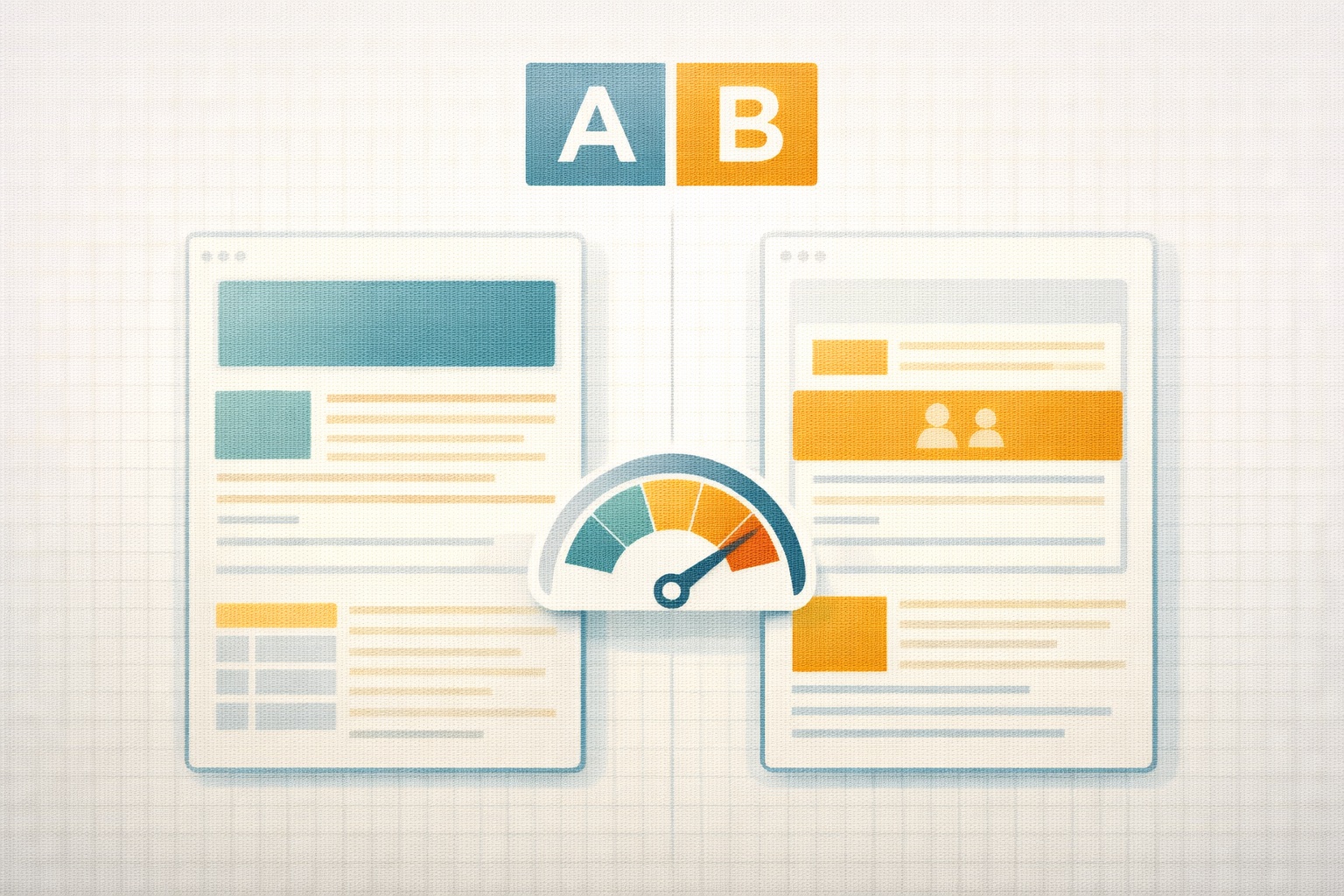
Introduction: Two platforms, two philosophies, one question that matters
When a newsletter publisher decides to monetize with ads, the platform they choose shapes everything that follows — how much they earn per issue, how much operational work that earning requires, what types of advertisers they can access, how much control they retain over their editorial environment, and how their revenue scales as their audience grows. Choosing the wrong platform does not just cost money in the short term — it creates structural constraints that become harder to undo as the newsletter matures.
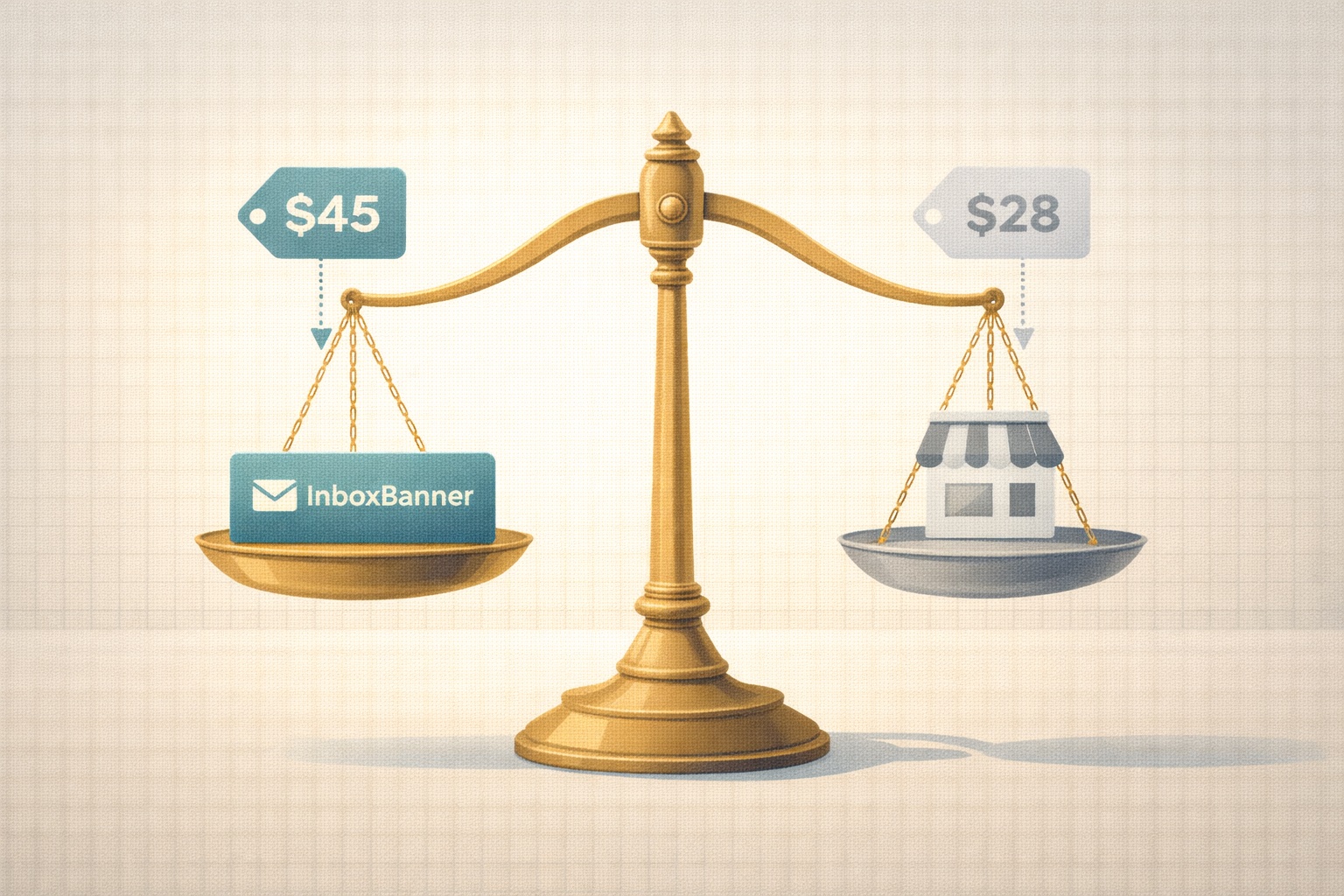
InboxBanner and Paved are two of the most commonly evaluated platforms by newsletter publishers looking to monetize through advertising. They serve broadly similar audiences — independent publishers and creator-led newsletters — but they approach monetization with fundamentally different models. Paved is primarily a curated marketplace for direct sponsorships, connecting publishers and advertisers through a managed platform that facilitates direct deals. InboxBanner is a programmatic-first monetization platform that automates ad delivery, fills inventory through real-time bidding, and lets publishers manage both direct and programmatic demand from a single interface.
This comparison evaluates both platforms across the dimensions that matter most to publishers focused on maximizing ad revenue: revenue model and earning potential, setup and integration process, advertiser access and demand quality, publisher controls and editorial protection, performance transparency, pricing model and platform costs, and the scenarios in which each platform is better suited to the publisher's specific situation. The goal is not to declare a universal winner but to give you the specific information needed to make the right choice for your newsletter.
Understanding Paved: How the platform works for publishers
Paved operates as a curated sponsorship marketplace. Publishers apply to join the network, and upon acceptance, their newsletter inventory becomes visible to the advertisers and brands that browse the Paved marketplace looking for newsletter placements. Advertisers can search for newsletters by category, audience size, open rate, and CPM range, then initiate a deal directly through the platform. Paved facilitates the transaction — handling the booking, the creative workflow, and the payment — and charges a commission on each completed deal.
The model is designed around the direct sponsorship transaction. A publisher lists their available inventory, an advertiser discovers it and books a placement, and the campaign runs according to the terms agreed through the platform. Paved handles payment processing and provides performance reporting for completed campaigns. The platform is oriented toward publishers who want access to a curated pool of brand advertisers without having to build their own outbound sales pipeline from scratch.
Paved's marketplace approach has genuine strengths. It exposes publishers to advertisers they might not reach through their own outreach, provides a structured workflow for managing campaigns through a single interface, and reduces some of the administrative friction of direct sponsorship sales. For publishers who have a large enough list to attract inbound advertiser interest on the marketplace — typically 10,000 or more subscribers in a well-defined niche — Paved can generate meaningful sponsorship revenue without requiring a dedicated sales effort.
The model also has structural limitations that become more significant as a publisher's monetization program matures. Revenue depends on inbound advertiser demand within the marketplace, which creates a fill rate ceiling that the publisher cannot directly control. Unsold inventory generates no revenue. There is no programmatic fallback that fills slots when direct demand is absent. And the commission structure — which Paved charges on every completed transaction — creates a permanent tax on revenue that does not decrease as the publisher's audience or operational sophistication grows.
Understanding InboxBanner: How the platform works for publishers
InboxBanner is a programmatic-first newsletter monetization platform built specifically for email publishers. Rather than operating as a marketplace where advertisers browse and book directly, InboxBanner uses real-time bidding to match relevant advertisers to publisher inventory automatically, filling ad slots based on audience signals and publisher-configured targeting parameters. The platform also supports direct sponsor management, allowing publishers to input their own direct advertiser campaigns alongside programmatic demand in a unified ad-serving system.
The core technical mechanism is a dynamic ad tag that publishers insert into their newsletter template once. When a subscriber opens an issue, the tag fires, the platform auctions the impression in real time among eligible advertisers, and the winning ad renders in the subscriber's inbox. The entire process happens at open time — meaning the ad served reflects current demand pricing and audience signals rather than being locked in at send time. This open-time serving approach is what enables InboxBanner's real-time bidding mechanics and allows CPMs to reflect actual market demand rather than static booking rates.
Publishers using InboxBanner retain full control over their ad environment through a publisher dashboard that allows them to set category blocklists, configure price floors by placement position, approve or reject specific advertisers, and manage the priority between direct campaigns and programmatic demand. Direct sponsors can be entered into the system with priority over programmatic demand — ensuring that a publisher's own commercial relationships are served first — while programmatic fill handles inventory that would otherwise go dark. This hybrid management capability is one of the defining features that separates InboxBanner from a pure marketplace model.
The platform is designed for publishers at every stage — from newsletters with a few hundred subscribers generating their first programmatic revenue to established publishers with tens of thousands of subscribers managing complex multi-advertiser inventories. Setup is designed to take under fifteen minutes with no developer required, and the platform's publisher support is specifically oriented toward the newsletter publishing context rather than generic digital advertising operations.
Revenue model comparison: How each platform generates publisher earnings
The most important difference between the two platforms is how publisher revenue is generated and what determines its ceiling. Understanding this difference requires examining not just the headline rates but the fill rate mechanics, the commission structures, and the revenue floor each platform provides when direct demand is absent.
On Paved, publisher revenue comes entirely from completed direct sponsorship deals. If no advertiser books a placement for a given issue, that issue generates zero advertising revenue from the platform. There is no programmatic backstop. A publisher with 15,000 subscribers who sends 50 issues per year but achieves a 60 percent fill rate through Paved earns revenue on 30 issues — with the remaining 20 generating nothing from the platform. Additionally, Paved's commission — which publishers report at 20 to 30 percent of the deal value — is applied to every completed transaction, including deals that the publisher's own audience profile and reputation drove to the platform rather than any outreach by Paved's team. The commission is a fixed cost that does not decrease as the publisher's value to the marketplace grows.
On InboxBanner, revenue is generated on every open — programmatic fill ensures that unsold direct inventory earns something rather than nothing, and publisher-configured price floors protect against undervalued fills. A publisher with 15,000 subscribers and a 42 percent open rate is generating 6,300 programmatic impressions per issue regardless of whether a direct sponsor has booked that slot. At a modest average programmatic CPM of $25 — well within the range for an engaged niche audience — that translates to $157 per issue in programmatic revenue from inventory that Paved would leave dark. Over 50 annual issues, that is $7,850 in incremental revenue from inventory that would otherwise generate zero.
InboxBanner's revenue share model differs structurally from Paved's commission approach. Rather than taking a commission on individual direct deals — which creates an incentive misalignment where the platform profits from every transaction regardless of whether it added value to that transaction — InboxBanner's model is tied to programmatic revenue generation. Direct sponsor relationships that publishers bring themselves are managed through the platform's ad-serving infrastructure, which provides operational value without extracting a percentage of revenue the publisher sourced through their own commercial efforts.
For publishers who generate a meaningful portion of their revenue through their own direct sponsor relationships — which most sophisticated publishers do — the distinction between these models has a material impact on annual earnings. A publisher generating $30,000 per year through direct sponsors who uses Paved as their payment and workflow platform would pay $6,000 to $9,000 in platform commissions on deals they sourced themselves. On InboxBanner, those same direct sponsor relationships are managed through the platform's infrastructure without a commission applied to each transaction.
Setup and integration: How quickly each platform gets publishers earning
Both platforms are designed for publishers without dedicated technical teams, and both offer integration processes that do not require coding knowledge. The differences lie in the depth of the integration, the ongoing operational overhead, and how the platform fits into a publisher's existing production workflow.
Paved's setup process requires publishers to apply and be accepted into the marketplace, create a publisher profile with audience and performance data, and list available inventory with rates and specifications. Once listed, the publisher waits for advertiser interest and manages incoming booking requests through the platform's dashboard. The initial setup is straightforward, but the ongoing operational model requires active engagement with the marketplace — accepting and declining bookings, coordinating creative submission timelines, communicating with advertisers through the platform, and managing payment requests within Paved's workflow. Publishers who have multiple direct relationships to manage simultaneously report that the Paved interface, while functional, adds coordination overhead to what are effectively email-based commercial relationships.
InboxBanner's setup process centers on a single technical step: inserting a dynamic ad tag into the newsletter template at the position where ads should appear. This tag works across all major email service providers — including Mailchimp, ConvertKit, Beehiiv, Substack, ActiveCampaign, and others — without requiring any platform-specific configuration. Once the tag is in place, the platform immediately begins serving ads on the next open, with no further action required from the publisher. Direct sponsors can be entered into the dashboard with campaign parameters — dates, priority, creative, and targeting rules — and the platform serves them automatically according to those parameters without the publisher having to manually insert or swap creative before each send.
The practical implication of InboxBanner's automation-first design is a significant reduction in per-issue production time. A publisher using manual HTML insertion for direct sponsors — or using Paved's workflow to coordinate each booking — typically spends 30 to 60 minutes per issue on ad-related production work. A publisher using InboxBanner's automated serving reduces that to the time required to enter a new sponsor campaign into the dashboard — approximately 10 minutes — after which the platform handles all delivery without issue-by-issue intervention.
Advertiser access and demand quality: What each platform brings to your inventory
The quality and volume of advertiser demand each platform connects publishers to is the variable that most directly determines whether the platform relationship is commercially valuable beyond its infrastructure features. A platform with excellent tools but weak advertiser demand is a sophisticated system for generating very little revenue. A platform with strong advertiser demand but poor publisher controls is a revenue generator that comes at an editorial and operational cost.
Paved's marketplace curates a pool of brand advertisers across categories including B2B SaaS, e-commerce, consumer products, and financial services. The platform's advertiser vetting process means publishers encounter a higher baseline quality of advertiser creative and commercial behavior than they would through unfiltered programmatic channels. For publishers in categories with strong brand advertiser interest — B2B marketing, entrepreneurship, finance — Paved's marketplace can surface relevant advertisers that the publisher might not reach through their own outreach. The limitation is that marketplace demand is finite and uneven: categories with heavy brand advertiser interest see strong inbound demand, while categories with less brand advertiser penetration — specialized professional niches, academic topics, hyperlocal content — may see sparse marketplace activity regardless of audience quality.
InboxBanner's programmatic demand pool draws from a broader ecosystem of advertisers bidding in real time on publisher inventory. For a full analysis of how direct and programmatic compare on revenue, see our guide on newsletter sponsorships vs programmatic ads. The real-time bidding mechanism means that demand is dynamically matched to each impression based on audience signals, context, and advertiser targeting parameters — rather than being limited to advertisers who have proactively discovered the publisher's newsletter on a marketplace. This breadth of demand is particularly valuable for publishers in specialized niches where the pool of brand advertisers interested in a curated marketplace relationship is small but the pool of advertisers willing to bid programmatically on specific audience signals is substantially larger.
InboxBanner's publisher controls — category blocklists, advertiser whitelisting and blacklisting, creative approval processes — ensure that programmatic breadth does not come at the cost of ad quality. Publishers can exclude entire verticals — competitive products, sensitive categories, low-quality advertisers — while still accessing the full depth of programmatic demand from the verticals they approve. This combination of breadth and control addresses the most common concern publishers have about programmatic advertising: that opening inventory to automated demand means losing control over what their readers see.
Publisher controls and editorial protection: Who gives you more power over your inbox
Editorial control over ad inventory is not just a preference for publishers — it is a commercial necessity. A newsletter's value to advertisers is directly tied to the trust its readers have in the publication. Ads that violate that trust — through misleading claims, product-audience mismatch, or brand-inconsistent creative — erode the engagement quality that makes the inventory valuable in the first place. The platform that gives publishers the most granular control over what appears in their newsletter is the platform that best protects their most important long-term asset.
Paved's controls operate primarily at the deal level. Publishers review incoming booking requests and accept or decline them individually. This deal-by-deal review gives publishers meaningful input over which advertisers appear in their newsletter, but it is a reactive control — the publisher responds to what advertisers request rather than proactively defining the parameters of acceptable inventory. If an advertiser in a category the publisher would have excluded submits a booking request when the publisher is traveling or behind on communications, the window for declining may close before it is reviewed.
InboxBanner's controls are proactive and structural. Publishers define category blocklists that exclude entire verticals before any impression is served — no advertiser in an excluded category can win an auction on the publisher's inventory regardless of their bid price. Specific advertisers can be whitelisted for priority treatment or blacklisted for complete exclusion. Creative approval workflows allow publishers to review and approve ad creative before it goes live. Price floors set a minimum acceptable CPM for each placement position, ensuring that no impression is served below a rate the publisher has determined is commercially acceptable. These controls operate in the background continuously, without requiring issue-by-issue review, which protects editorial integrity even when the publisher is not actively monitoring the platform.
The depth of InboxBanner's publisher controls reflects the platform's design philosophy: that publishers should be able to automate revenue generation without ceding control over the commercial environment their readers experience. This philosophy is particularly important for publishers in sensitive categories — health, finance, legal — where advertiser product quality and claim accuracy directly affect the publisher's professional reputation, or for publishers whose editorial brand is closely identified with a specific set of values that incompatible advertising would undermine.
Performance transparency and reporting: What data each platform gives you
Revenue optimization requires data. A platform that shows publishers their earnings without giving them the underlying performance signals — which placements generated which CTRs, which advertiser categories performed at which CPMs, how performance varies across audience segments — is a platform that limits the publisher's ability to make informed decisions about pricing, inventory structure, and advertiser selection.
Paved's reporting focuses on completed deal performance — the metrics for each sponsored placement that ran through the platform. Publishers can see campaign-level open rates, clicks, and CTR for their sponsored placements. This data is useful for post-campaign review and for sharing with advertisers as part of the renewal conversation. The limitation is that Paved's reporting reflects only the direct sponsorship transactions that ran through the platform — it does not provide insight into the programmatic fill rate, the CPM dynamics of unsold inventory, or the comparative performance across different placement positions within the same issue.
InboxBanner's reporting dashboard provides performance visibility across both direct and programmatic inventory. Publishers can see real-time CPM data by placement position, fill rates by inventory type, click-through rates by advertiser category, and revenue trends over time. This breadth of reporting gives publishers the data needed to make decisions that Paved's reporting does not support: which placement positions are commanding the highest programmatic CPMs and should therefore carry higher direct-sold rates, which advertiser categories are generating the strongest performance and should be prioritized in outreach, and whether the current floor settings are optimally positioned given current market demand.
The real-time dimension of InboxBanner's reporting is also significant for publishers who want to stay current with their inventory economics. Seeing live CPM data — what advertisers are actually paying for your inventory at this moment, in this week's market conditions — is qualitatively different from reviewing historical campaign performance after the fact. Real-time data enables proactive floor adjustment and inventory positioning decisions that reactive reporting cannot support.
Platform cost comparison: What you actually pay to use each service
Both platforms have costs, but those costs are structured very differently, and the structure matters as much as the headline rate because it determines how costs scale relative to revenue as the newsletter grows.
Paved charges a commission on completed sponsorship deals — publishers consistently report this in the range of 20 to 30 percent of deal value. This commission applies to every deal brokered through the platform regardless of how the advertiser discovered the publisher. A publisher whose newsletter has enough reputation and audience quality to attract inbound advertiser interest organically — interest that would have arrived through direct email or social media if the publisher were not on the marketplace — is paying Paved a commission for transactions the publisher would have completed anyway. As deal volume grows and the publisher's reputation generates more inbound interest, the commission cost scales proportionally with revenue, meaning the platform cost never decreases as a percentage of earnings regardless of how operationally self-sufficient the publisher becomes.
InboxBanner's cost structure is designed to not penalize publishers for commercial success. The programmatic revenue share — the portion of CPM revenue that InboxBanner retains from automated demand — is the primary platform cost for publishers using programmatic fill. For publishers managing their own direct sponsor relationships through InboxBanner's infrastructure, the platform provides ad-serving, delivery automation, and reporting without extracting a commission on each direct deal. This cost structure creates a different incentive alignment: InboxBanner earns more when it generates more programmatic demand for publisher inventory, which aligns its commercial interest with the publisher's interest in higher fill rates and higher CPMs. Paved earns more whenever a deal closes, regardless of whether it contributed to that deal's origination.
Which publishers are better served by Paved
Despite InboxBanner's structural advantages in fill rate, controls, and cost alignment, there are specific publisher profiles for which Paved's marketplace model is genuinely better suited — and being honest about those scenarios is more useful than arguing that one platform is superior for every publisher in every situation.
Paved is most valuable for publishers who are at an early stage of building their direct sponsor program and who want access to an existing pool of brand advertisers without building an outbound sales pipeline from scratch. For a newsletter with 10,000 to 30,000 subscribers in a category with strong brand advertiser interest — B2B marketing, entrepreneurship, consumer finance — Paved's marketplace can surface relevant sponsor opportunities that the publisher's own outreach network might not reach quickly. The commission cost is real, but so is the value of access to advertisers the publisher would not otherwise encounter.
Paved is also better suited for publishers who want a fully managed deal workflow and are willing to pay a commission for the administrative simplification that comes with it. Publishers who find the operational overhead of direct sponsorship sales — outreach, negotiation, invoicing, creative coordination — disproportionately burdensome relative to their current revenue level may find that Paved's managed marketplace approach reduces that burden enough to justify the commission cost, at least in the early stages of building a sponsorship program.
Which publishers are better served by InboxBanner
InboxBanner's model is better suited for publishers who want to maximize revenue per issue across all inventory — not just the slots that a marketplace fills — while retaining full control over the advertising environment and the commercial relationships they have built directly.
Publishers who are building or already operating a direct sponsor program benefit immediately from InboxBanner's dual-channel model: direct campaigns are managed automatically through the platform, and unsold inventory is filled programmatically without a commission applied to either channel at the rate that a marketplace model would charge. The per-issue production overhead is lower because creative serving is automated, and the revenue floor is higher because programmatic fill monetizes inventory that a pure marketplace approach leaves dark.
Publishers in specialized niches where marketplace demand is thin — technical professional audiences, academic topics, hyperlocal markets, emerging creator categories — are better served by InboxBanner's programmatic model because it accesses demand across a broader advertiser ecosystem than a curated marketplace. The programmatic demand pool is not limited to advertisers who have proactively chosen to participate in a specific marketplace; it includes any advertiser whose targeting parameters match the publisher's audience signals in a real-time auction.
Publishers at any subscriber count — including those below the threshold where Paved's marketplace generates meaningful inbound interest — can generate immediate revenue through InboxBanner's programmatic channel. There is no minimum list size requirement, and programmatic fill begins generating revenue from the first open after setup. For a newsletter with 2,000 subscribers and a 45 percent open rate, programmatic revenue through InboxBanner begins on day one — something a marketplace model cannot provide to a publisher who has not yet accumulated the audience size needed to attract brand advertiser interest.
The hybrid path: Using InboxBanner to do what Paved cannot
The most complete monetization strategy for a growing newsletter publisher is not a binary choice between platforms — it is a structure that maximizes revenue across all inventory while maintaining editorial control and minimizing platform costs. InboxBanner is designed to support exactly this structure: direct sponsors, managed through the platform's campaign infrastructure with no commission applied to transactions the publisher sources, alongside programmatic fill that monetizes every impression that direct demand does not claim.
A publisher who previously used Paved as their primary sponsorship platform and migrates to InboxBanner does not give up access to direct advertisers — they bring those relationships with them and manage them without the commission overhead they were previously paying. They add a programmatic revenue stream that fills previously dark inventory. They gain publisher controls that proactively protect their editorial environment rather than relying on reactive deal review. And they receive reporting data that spans both direct and programmatic channels rather than seeing only the portion of their inventory that ran through a single transaction type.
The practical revenue impact of this migration for a publisher with $2,000 per month in direct sponsorship revenue and a 60 percent fill rate is meaningful. Removing Paved's commission of 25 percent recovers $500 per month on existing direct revenue. Adding programmatic fill on the 40 percent of issues previously unsold adds several hundred dollars per month in new incremental revenue. The combined effect — commission recovery plus programmatic fill plus reduced production overhead — represents a meaningful increase in net revenue from the same audience and the same editorial product, without any change to the newsletter's content or commercial relationships.
Conclusion: Match the platform to the model you are building
Paved and InboxBanner are not interchangeable tools for the same job. They represent different answers to the question of how newsletter advertising revenue should be generated, at what cost, and with what degree of publisher control over the process. Paved's answer is a curated marketplace with managed deal workflow and a commission on every transaction. InboxBanner's answer is automated programmatic fill with publisher-controlled direct campaign management and a cost structure that does not penalize publishers for bringing their own commercial relationships to the platform.
For publishers early in building a sponsor program who need access to an existing advertiser pool and are willing to pay for it, Paved provides genuine value. For publishers who want to maximize revenue per issue across all inventory — for a Beehiiv-specific comparison, see our InboxBanner vs Beehiiv earnings comparison — retain full control over their editorial environment, manage direct relationships without commission overhead, and access programmatic demand that fills slots a marketplace leaves dark, InboxBanner is the structurally superior choice — and the advantage compounds as audience size, direct sponsor relationships, and operational sophistication increase.
The right platform is the one that matches how you actually intend to run your monetization program — not the one with the most recognizable name or the largest marketing presence. Evaluate both against your specific situation: your current list size, your direct sponsor pipeline, your fill rate, your production overhead tolerance, and the editorial controls you need to maintain reader trust. For most publishers building a serious, durable ad revenue program, that evaluation leads to InboxBanner — not because it is the easiest option, but because it is the one that keeps the highest percentage of the revenue your audience generates in your hands.